Momo
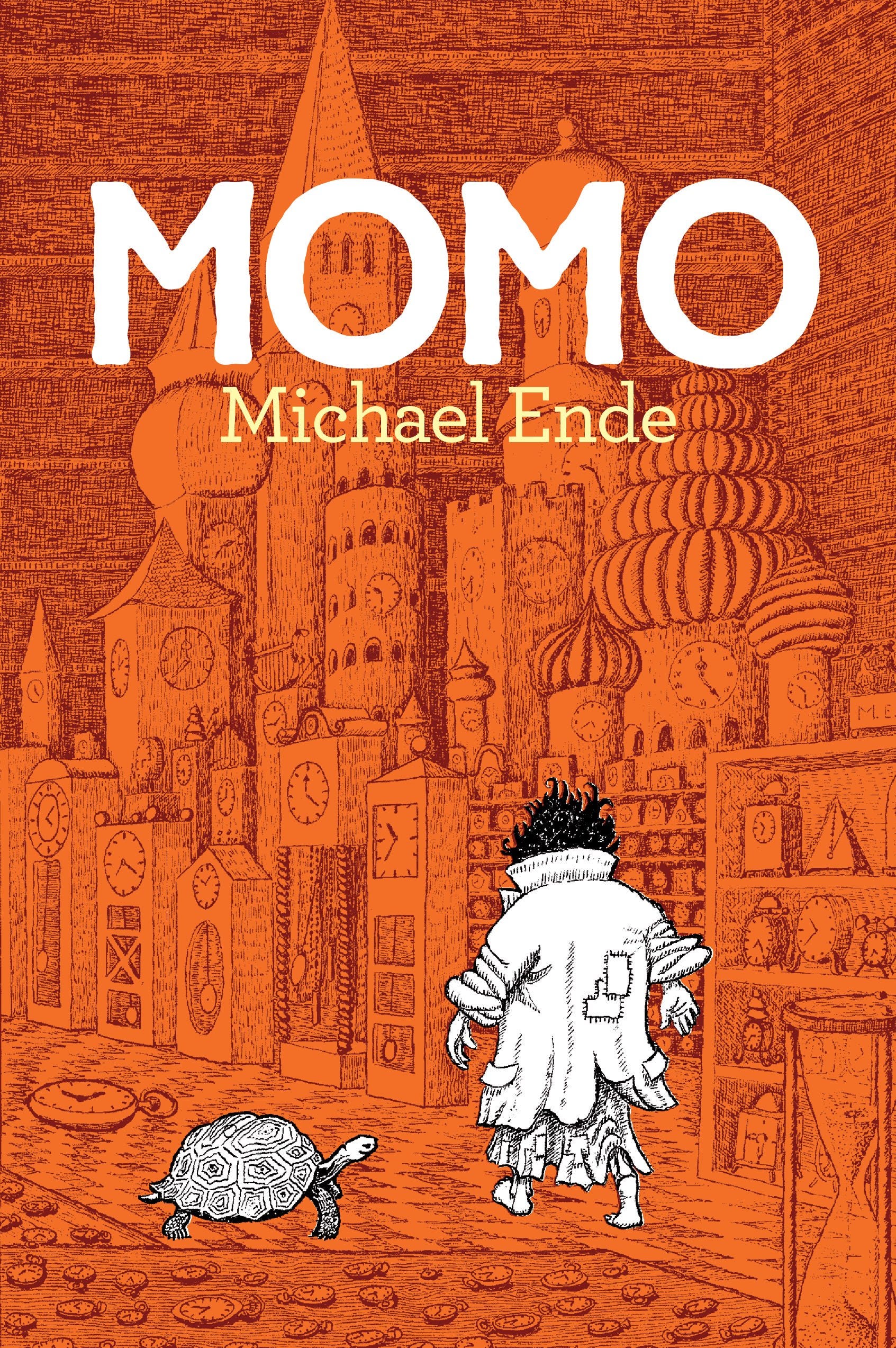
Author - Michael Ende
Page/Word Count - 304 pages, about 72K words
Awards
1974 German Youth Literature Award (Deutscher Jugendliteraturpreis)
1974 European Youth Fiction Prize (Europäischer Jugendbuchpreis)
Original Date of Publication - January 1973
Bad Synopsis:
A teenage boy, an old man and a little girl prove to be capitalism’s greatest enemies.
Notes/Opinion:
While it gets rather clear that this book was meant to be read by children, and things can feel pretty explanatory, Momo is what I can only describe as crazy relevant. Even if it’s a family-friendly story (which to me is a bit different from “kid-lit”), I really think it’s one of those stories that came into my life at the perfect time. Ten-year-old me didn’t have existential dread as dying and just disappearing like I’d never been there, but 22-year-old me? You bet your ass!
The tone is whimsical in this very particular way, which I think is cool. You know, even if it’s not for everyone. Somehow it reminds me a bit of 20th century surrealist paintings.
The Gray Men are so interesting as this antagonistic collective: harmful as they are, they’re not malicious in the sense that they don’t exactly take pleasure in stealing people’s time.
They’re not… alive enough for that, are they?
I don’t know if I’d go as far as empathizing with them, but their behavior is more pragmatic, closer to a parasite or a predatory animal than a downright sadistic person.
There’s also the question of what does “wasted time” even mean, because for all the talk about splurging away one’s seconds, the actual definition of a good investment is quite vague. Likely on purpose? Is it the time you don’t spend being productive? Earning money? Optimizing your career or an aspect of your life?
Of course, the whole point is that the Grey Mean deal in half-truths at best, and they want to take people’s time. Time spent reading is not wasted, time spent interacting with people is not wasted.
I think that’s the core of this novel: sometimes we’re so scared of insignificance, of being erased and forgotten, we stop doing the very things that might actually leave a mark on others.
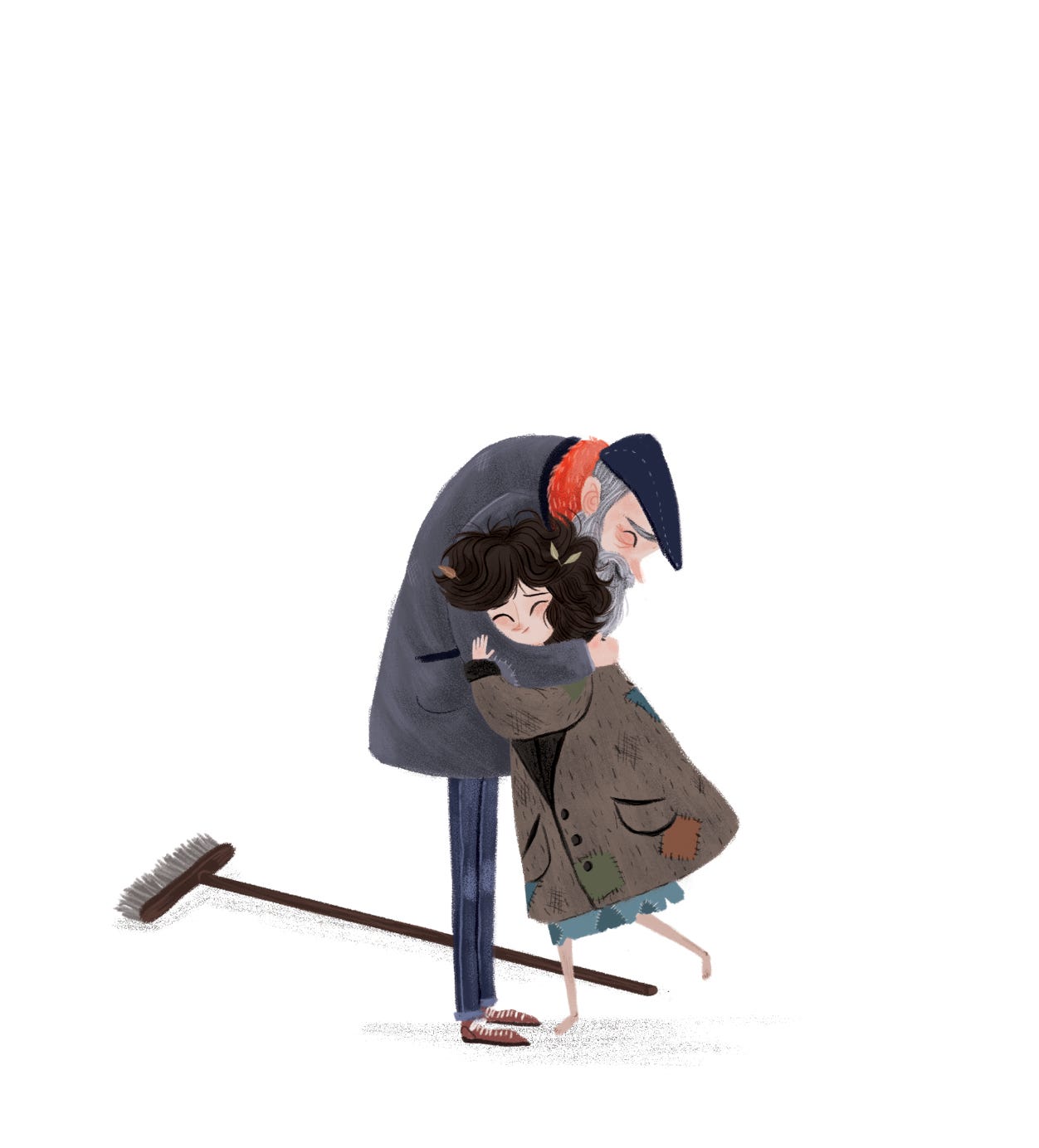
That’s the reason Momo herself is so powerful: despite all the claims otherwise, she is extremely valuable to her little Italian-coded community. Not because she has all these dreams or ambitions under her belt, but because she cares and listens. She sees people in this very deep, fundamental way. In other words, to leave make an impact on others, you have to engage with them. Also, maybe don’t worry so much.
Anyway, while this book isn’t perfect, somehow I feel like I really needed it. Both my dad and my younger sister have Momo as one of their favorite books, so I wanted to read it partly as a way of understanding them better.